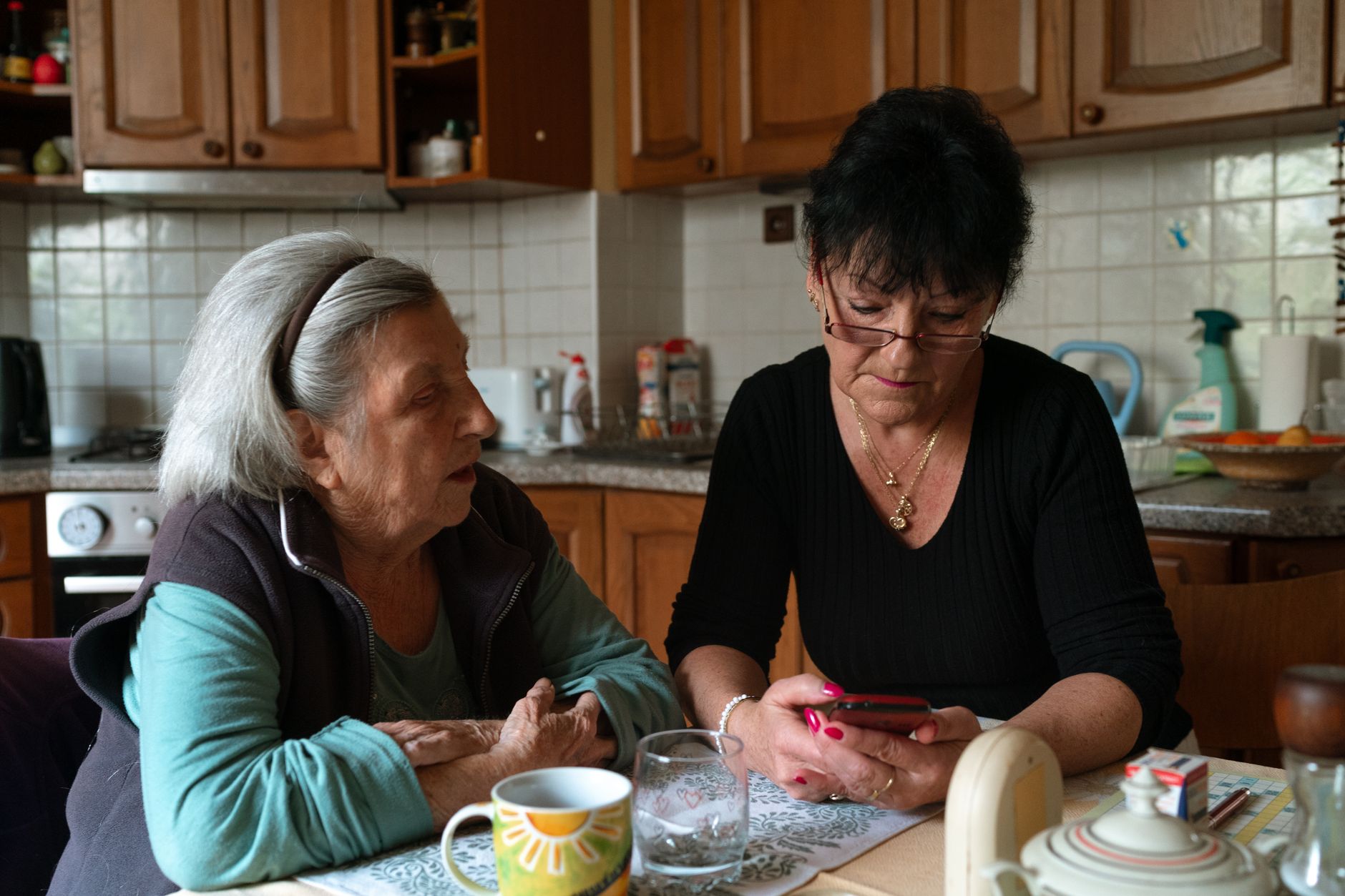

When a adult family member begins speaking in fragmented ideas, withdrawing into erratic routines, or missing rent payments, the concern for a loved one becomes tangible.
Most family members or caregivers do not start out looking for an emergency intervention. They start by trying to fix the leak: making phone calls to municipal housing desks, reaching out to outpatient mental health clinics, and searching through dozens of disconnected agency directories. But as hours turn into days without clear answers, the pressure mounts. By the time the situation turns into a severe night-time episode or an imminent eviction notice, panic takes over, and the only familiar path left appears to be dialing 911.
Relying on emergency responders during a non-violent behavioral health or housing decline often introduces deep complications. Law enforcement officers are rarely equipped to solve chronic housing instability, and emergency rooms are designed for medical stabilization rather than long-term community placement. The result is often a costly cycle of temporary crisis response that leaves the underlying instability unaddressed. Unlocking a different path requires finding upstream support before an acute breakdown occurs.
Reality Check: The Heavy Cognitive Load of Fragmented Care
Family members and caregivers navigating a relative’s psychological distress or housing loss face an overwhelming administrative and emotional burden. Social safety nets are rarely centralized. A single metropolitan region may have one agency for emergency shelter intake, another for rent-bank assistance, a third for community mental health case management, and independent non-profits handling drop-in warming centers or meals.
Trying to track eligibility rules, operating hours, and referral procedures while managing daily household responsibilities creates mental exhaustion. Caregivers are forced to retell traumatic family histories to multiple intake workers, only to learn that their relative falls outside a specific catchment area or age bracket. This administrative fatigue often leads families to abandon navigation efforts altogether, leaving them to wait until a situation escalates to an absolute breaking point.
Mental health distress is rarely an isolated clinical event. According to 211 Canada, psychological distress is deeply interconnected with broader social determinants of health, including caregiving stress, housing instability, food insecurity, and income challenges. When a family is worried about an impending eviction (sometimes, due to factors outside of their reach, like job loss or inability to quickly gain employment), their relative's psychological baseline deteriorates; when mental health symptoms worsen, some self-medicate or turn to substances or alcohol to escape harsh pressure ("panaceas" of the mind). Maintaining stable housing becomes increasingly difficult. Treating these issues as separate silos only increases the burden on families trying to hold everything together.
How 211 Acts as an Upstream Safety Net
Instead of waiting for an acute disaster that demands first responders, families can use 211 as a centralized, non-emergency navigation safety net. Operating as a free, 24/7 confidential resource in over 150 languages across Canada, 211 Canada helps families identify local community programs before a situation escalates.
Between 2024 and 2025, the 211 network handled over 1.2 million contacts across phone, text, chat, and email, with mental health and related concerns consistently ranking among the top five reasons people reached out.
Rather than serving as a direct clinical provider or shelter operator, 211 functions as an informational bridge. Navigators assist families by mapping out non-profit services, community mental health clinics, food access programs, and tenant protection resources tailored to their specific geographic area.
Using an upstream navigation service shifts the family's approach from reactive crisis management to proactive planning:
- De-escalating Police Reliance: Connecting with mobile crisis lines, peer support networks, or community mental health workers reduces the likelihood of police involvement during a non-violent mental health distress episode.
- Bypassing Unnecessary Emergency Room Visits: Identifying community-based stabilization programs or outpatient drop-in centers offers an alternative to spending prolonged hours in a hospital waiting room when acute medical intervention is not required.
- Addressing Root Social Determinants: Navigators can simultaneously cross-reference legal aid for housing disputes, income assistance guidance, and local caregiver respite supports, treating the family's situation holistically.
Understanding the Limits of Emergency Response and Housing Systems
While community navigation provides a vital map, caregivers must maintain realistic expectations about the systemic pressures surrounding public housing and emergency services. Accessing information through 211 does not immediately create open shelter beds or clear multi-year supportive housing waiting lists.
In major urban centers, emergency shelter infrastructure operates under extreme demand. For instance, municipal data regarding Toronto's winter services plan highlights that during severe cold weather events, cities must activate specialized warming centers, surge spaces, and temporary respite sites just to accommodate overflow demand. In the 2025, 2026 season, Toronto activated warming centers for new admissions on 98 nights and deployed emergency surge spaces when temperatures dropped to -15 degrees Celsius. Even with expanded seasonal capacity, shelter systems routinely operate near maximum occupation.
Similarly, evidence syntheses from the Mental Health Commission of Canada emphasize that permanent housing stability for individuals facing complex mental health challenges relies heavily on the Housing First model, which pairs immediate, unconditioned housing with flexible health supports. However, widespread implementation challenges and limited affordable housing supply mean that securing permanent supportive placement remains a long-term process.
Recognizing these systemic constraints allows caregivers to use navigation tools strategically. Dialing 211 will not bypass waitlists, but it gives families clear, accurate information on intake numbers, emergency respite locations, drop-in center operating hours, and rent-stabilization programs. Knowing exactly which door to knock on prevents families from wasting precious energy on non-existent options.
Taking the First Step Before a Crisis Escalates
When you notice early signs that a family member's housing or mental health baseline is slipping, you do not have to wait for an acute emergency to seek guidance. You can contact 211 via phone, text, or online chat long before an immediate intervention is required.
Tell the navigator what specific challenges your family is facing today, whether that is understanding local tenant support, finding community mental health case managers, or locating daytime drop-in centers. Gathering clear information early helps keep your loved one safer and protects your own capacity as a caregiver.
When you need a calm place to think the next step through, Liam's Call is available anytime, free, no account required.