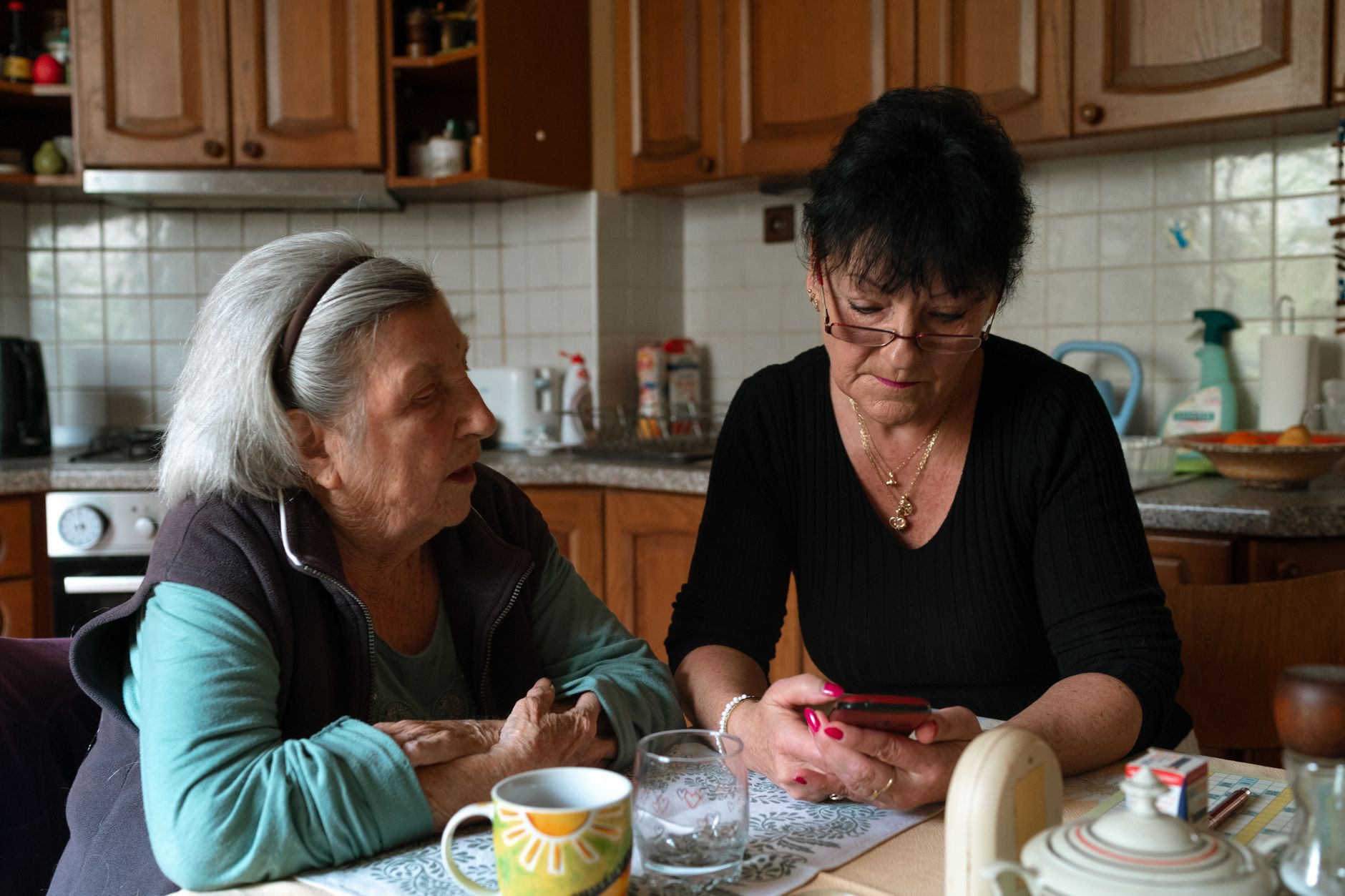

The front door clicks shut, and for the first time in months or years, your family member is sitting inside a room that belongs to them. The concrete reality of winter weather, shelter curfews, and constant vigilance suddenly gives way to four quiet walls. For families who have spent years navigating emergency rooms, street outreach, and midnight crisis calls, this moment feels like the finish line.
Yet, the days immediately following a move into permanent supportive housing often bring a strange, quiet panic rather than relief. A key in a lock does not instantly heal complex health conditions, active addiction, or the deep psychological weight of chronic instability. For caregivers, the challenge shifts overnight from fighting for shelter to supporting an unhoused relative through the fragile, disorienting process of long-term acclimation.
The Silent Friction of Moving Off the Street
When a person has lived unsheltered or spent months moving through crowded shelter systems, survival depends on hyper-vigilance, immediate community connections, and constant movement. Moving into an apartment removes those external pressures, but it also strips away the social structures that kept them company.
Isolation is often the first severe obstacle. The silence of a private apartment can feel oppressive to someone accustomed to the noise of a shelter floor or a tent encampment. Without structured days, deep boredom and loneliness can set in, frequently triggering severe depression or increased substance use as a coping mechanism.
Furthermore, permanent housing comes with administrative and behavioral boundaries that a newly housed resident may struggle to navigate. Lease agreements, visitor policies, noise regulations, and unit inspections create immediate tension. A relative who spent years operating outside rigid institutional structures may perceive basic housing retention rules as punitive rather than protective. When conflict arises with property managers or onsite staff, caregivers often feel pulled back into the role of full-time crisis manager, fearing that one misstep will result in an immediate eviction back to the street.
What Integrated Supportive Housing Actually Looks Like
Understanding how modern supportive housing operates can help families set realistic expectations for their relative’s recovery and stability. Comprehensive housing models do not simply hand over a set of keys; they embed social and medical safety nets directly into the residential setting.
Initiatives that pair health systems with municipal housing demonstrate how deep this support must run to keep people successfully housed. For instance, the expansion of the Social Medicine Housing Model in Toronto, developed through partnerships between the City of Toronto, the Government of Canada through Build Canada Homes, and the University Health Network (UHN), targets unhoused individuals with severe, complex health needs who frequently rely on emergency care.
Rather than expecting fragile residents to navigate disconnected outpatient clinics on their own, these programs bring care directly to the housing site. Data from the pilot site, Dunn House, revealed a 52% reduction in emergency department visits and a 79% reduction in hospital bed days among residents in their first year post-move-in according to the Gattuso Centre for Social Medicine. Overall, across the City of Toronto's supportive housing portfolio, less than 5% of tenants returned to the shelter system within their first year.